
Our 9 Best Jogging Shoes For Women To Buy In 2026
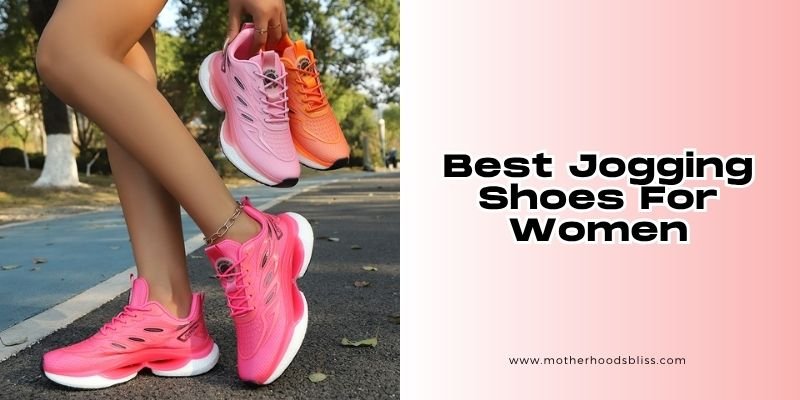
Looking for the best jogging shoes for women that actually fit your stride? It’s not just about brand names, but how cushioning, support, and materials work together for your specific needs.
Our Top Picks
| # | Product | ||
|---|---|---|---|
| 1 |  | ASICS Gel-Excite 11 Best Overall | Check Price |
| 2 |  | Nike Run Swift 3 Most Stable | Check Price |
| 3 |  | New Balance Fresh Foam 520 Best Daily Cushioning | Check Price |
| 4 |  | New Balance Fresh Foam 410v9 Best Trail Option | Check Price |
| 5 |  | New Balance Fresh Foam Arishi Lightest Weight | Check Price |
| 6 |  | Under Armour Charged Assert 9 Most Breathable Upper | Check Price |
| 7 |  | Nike Downshifter 14 Bounciest Midsole | Check Price |
| 8 |  | adidas Response Pace Softest Foam Feel | Check Price |
| 9 |  | NORTIV 8 Women's Sneakers Best Cushioned Support | Check Price |
1. ASICS Women’s Gel-Excite 11 Running Shoes
Best for: Runners needing softer impact protection daily
The PureGEL technology is listed as approximately 65% softer than standard GEL, which means noticeably reduced shock during heel strikes on pavement. This updated cushioning works with AMPLIFOAM PLUS to create a smoother ride, though the listing notes it runs small, so sizing up might be necessary for comfort.
An engineered mesh upper reduces overlays for better breathability, while the OrthoLite X-30 sockliner manages moisture to keep feet cooler during longer jogs. The knit heel pull tab makes entry easier, but runners with wide forefeet may find the snug fit restrictive despite the recycled content in the upper.
Pros
- PureGEL offers significantly softer landing feel
- Engineered mesh improves airflow without extra weight
- Solution-dyed sockliner reduces water usage substantially
Cons
- Listed fit runs smaller than standard sizing
2. Nike Women’s Run Swift 3 Road Running Shoes
Best for: Joggers prioritizing midfoot stability over plushness
Flywire cables integrate directly with the lacing system to secure your midfoot, providing targeted support that adjusts as you tighten the laces. This design trades some overall softness for a locked-in feel that helps prevent lateral sliding during turns or uneven pacing.
Higher foam cushioning delivers a plush underfoot sensation, yet the focus remains on containment rather than maximum bounce. Runners seeking a highly flexible, minimalist shoe won’t find it here, as the structured support system adds deliberate rigidity for stability on road surfaces.
3. New Balance Women’s Fresh Foam 520 V9 Running Shoe
Best for: Daily joggers wanting consistent neutral cushioning
Fresh Foam midsole cushioning is precision-engineered for an ultra-cushioned, lightweight ride that suits everyday running without feeling overly soft. Weighing only 208.2 grams, this shoe maintains a familiar profile with an approximate 10 mm heel-to-toe drop, making transitions from older models seamless for regular users.
The breathable engineered mesh combines with synthetic materials for durability across daily miles, supporting all-day wear beyond just workouts. Runners requiring aggressive arch support or motion control should look elsewhere, as this model is built specifically for neutral gaits and moderate mileage accumulation.
Pros
- Fresh Foam delivers consistent daily cushioning
- Lightweight 208g design reduces leg fatigue
- 10mm drop suits traditional running mechanics
Cons
- Neutral support lacks correction for overpronation
4. New Balance Women’s Fresh Foam 410v9 Trail Running Shoe
Best for: Trail joggers needing versatile surface traction
The AT Tread outsole provides reliable grip on both paved paths and rugged trails, allowing seamless transitions without changing shoes. This versatility comes from a tread pattern designed for mixed surfaces, though dedicated road runners may find the lugs unnecessary on smooth pavement.
Fresh Foam cushioning absorbs impact confidently on uneven ground, while no-sew overlays reduce irritation points during longer off-road efforts. The breathable mesh keeps feet cool during hikes or trail runs, but those who run exclusively on roads might prefer a smoother outsole for better pavement contact.
5. New Balance Women’s Fresh Foam Arishi V4 Running Shoe
Best for: Minimalist joggers valuing low weight above all
At just 194 grams, this shoe is notably light for daily training, reducing leg turnover effort during faster-paced jogs or recovery runs. The Fresh Foam midsole still delivers soft cushioning despite the minimal mass, though long-distance runners may want more substantial protection for high-mileage days.
A durable rubber outsole supports everyday athletic activity, while the mesh upper with no-sew overlays creates a sleek, breathable fit. Runners needing maximum shock absorption for joint issues should consider heavier options, as the lightweight build inherently limits total cushioning volume available per stride.
Pros
- Ultra-light 194g design aids quick turnover
- Fresh Foam provides softness despite low weight
- Rubber outsole ensures lasting daily durability
Cons
- Listed at 194 grams, which anyone needing lighter shoes must plan around
6. Under Armour Women’s Charged Assert 9
Best for: Warm-weather joggers needing maximum airflow
The lightweight mesh upper boosts airflow significantly to keep feet cooler during warm-weather runs or intense gym sessions. This breathability pairs with Charged midsole cushioning for balanced impact protection, though the open weave may let in more debris on windy or dusty days.
Reinforced overlays improve midfoot stability without sacrificing ventilation, and foam padding around the ankle eliminates break-in time for immediate comfort. Runners in cold or wet climates might find the highly breathable upper insufficiently protective, as it prioritizes cooling over weather resistance or insulation.
7. Nike Women’s Downshifter 14 Road Running Shoes
Best for: Joggers wanting energetic rebound from cushioning
Nike increased the midsole cushioning amount specifically for more comfort and bounce, creating a livelier feel underfoot compared to previous versions.
Engineered open-hole mesh maintains breathability despite the fuller midsole, while an internal fit band locks down the midfoot for secure containment. Runners preferring a firm, ground-connected ride may find the bouncier foam too disconnected from the road surface for their preferred feedback level.
Pros
- Increased foam delivers energetic toe-off rebound
- Internal band secures midfoot without pressure
- Open-hole mesh prevents overheating during runs
Cons
- Bouncy foam reduces ground feel sensitivity
- Added cushion increases weight versus minimal shoes
8. adidas Women’s Response Pace Running
Best for: All-day wearers seeking soft, simple comfort
Cloudfoam cushioning is designed for all-day comfort and support, offering a consistently soft feel that works equally well for jogging and casual wear.
A regular fit accommodates most foot shapes without tightness, making it accessible for newer runners or those transitioning from walking shoes. Experienced runners seeking responsive propulsion or technical stability will likely find the Cloudfoam too uniformly soft for structured training cycles.
Pros
- Cloudfoam provides uniform softness all day
- Textile upper feels gentle against skin
- Regular fit suits varied foot shapes comfortably
Cons
- Soft foam lacks responsiveness for speedwork
- Basic construction limits technical performance
9. NORTIV 8 Women’s Cushioned Walking Fashion Sneakers
Best for: Walk-joggers needing arch support and visibility
These sneakers feature a thick midsole for steady impact absorption and built-in arch support, catering specifically to walkers who also jog occasionally. Weighing 11.42 oz per shoe in size 6, they’re supportive but heavier than dedicated running shoes, which may slow cadence for pure jogging.
3M reflective strips enhance low-light safety, and the anti-slip rubber outsole grips slippery surfaces reliably during mixed-use activities. The listing describes these sneakers as suitable for commuting, jogging, running, city walks, and gym workouts.
Pros
- Thick midsole absorbs impact for walk-jogging
- 3M reflectors boost safety in dim light
- Anti-slip outsole grips wet or smooth surfaces
Cons
- Heavier build slows running cadence
- Walking focus limits running-specific performance
How to Choose Jogging Shoes
Cushioning Type Matters Most
Different foams serve different purposes. PureGEL and Fresh Foam prioritize soft landings, while Charged and Cloudfoam balance comfort with responsiveness. Match the foam character to your joint sensitivity and preferred ride feel, not just marketing terms like “soft” or “bouncy.”
Fit Notes Override Size Charts
Listings often state “runs small” or specify width limitations. Always check these notes before ordering, as a half-size error causes blisters or black toenails. Sizing varies significantly between brands, so rely on the seller’s fit guidance over your usual number.
Surface Dictates Outsole Choice
AT Tread handles trails and pavement, while smooth rubber suits roads only. Using trail shoes on pavement wears lugs prematurely, and road shoes on dirt risk slips. Identify your primary running surface first, then select the appropriate outsole pattern.
Weight Affects Effort Perception
Shoes range from lightweight to heavier builds. Lighter shoes reduce leg fatigue during faster jogs, while heavier ones often provide more cushion or support. Consider whether you prioritize speed and agility or protection and durability for your typical route.
Upper Material Sets Climate Suitability
Engineered mesh maximizes breathability for heat, while textile or synthetic blends offer more structure. Highly open weaves cool feet but admit debris; tighter weathers protect better in wind or rain. Align upper construction with your local climate and seasonal conditions.
Narrow your choice by matching one primary need—cushioning, stability, terrain, weight, or climate—to the product that addresses it directly. Avoid compromising your main requirement for secondary features you’ll rarely use.
Mistakes to Avoid When Buying
Ignoring Listed Fit Warnings
Many buyers order their usual size and miss notes saying “runs small.” This leads to painful returns and delayed training. Always read fit disclaimers in the listing before selecting your size, even if you’ve worn the brand before.
Choosing Trail Shoes for Road Only
Trail outsoles like AT Tread wear down quickly on asphalt. Buyers often pick them for versatility but lose traction prematurely. Reserve trail-specific shoes for actual off-road use unless your route genuinely mixes surfaces regularly.
Prioritizing Style Over Function
Fashion sneakers like the NORTIV 8 offer arch support for walking but lack running optimization. Selecting them purely for looks can lead to discomfort during sustained jogging. Verify that cushioning and structure match your actual activity intensity.
Overlooking Foam Character Differences
Assuming all “soft” foams feel identical causes disappointment. Cloudfoam is uniformly plush, while PureGEL targets impact zones. Read foam descriptions carefully to ensure the type of softness aligns with your biomechanics and comfort preferences.
Neglecting Weight Implications
Choosing a 300+ gram shoe for speedwork increases effort unnecessarily. Conversely, picking ultra-light shoes for long runs risks inadequate protection. Match shoe weight to your typical distance and pace goals, not just the lowest number available.
Always cross-reference your primary running habit with the product’s stated strengths. A mismatch in fit, surface, foam, or weight undermines even the highest-quality construction.
Frequently Asked Questions
Do I need trail shoes if I mostly run on roads?
No, road-specific outsoles provide better pavement contact and last longer on asphalt. Trail shoes like the Fresh Foam 410v9 are only necessary if you regularly run on unpaved or uneven surfaces.
How do I know if a shoe runs small?
Check the product listing for explicit fit notes like “runs small” in the ASICS Gel-Excite 11 description. These warnings come from the manufacturer and are more reliable than assuming your usual size will work.
Is lighter always better for jogging?
Not necessarily. While the Fresh Foam Arishi at 194 grams aids speed, lighter shoes often sacrifice cushioning or support. Choose weight based on your distance, pace, and joint needs rather than minimizing grams alone.
Can walking sneakers handle occasional jogging?
Some, like the NORTIV 8, include thick midsoles and arch support suitable for walk-jogging. The listing notes these sneakers weigh 11.42 oz per shoe in size 6 and are designed for walking and running.
What does “neutral support” actually mean?
Neutral support, as in the Fresh Foam 520, means the shoe doesn’t correct overpronation or supination. It’s designed for runners with efficient gait patterns who don’t require medial posting or motion control features.
Are reflective details important for safety?
Yes, especially for early morning or evening jogging. The NORTIV 8 includes 3M reflective strips specifically for low-light visibility, a feature absent in many performance-focused models that assume daylight use.
Conclusion
The best jogging shoes for women depend entirely on matching listed features to your individual stride, surface, and comfort needs. Focus on verified specs like foam type, fit notes, and outsole design rather than brand reputation alone. Your ideal pair is the one whose documented traits align precisely with how and where you actually run.