
Top 10 Best Protein Powders For Muscle Gain For Women Of 2026
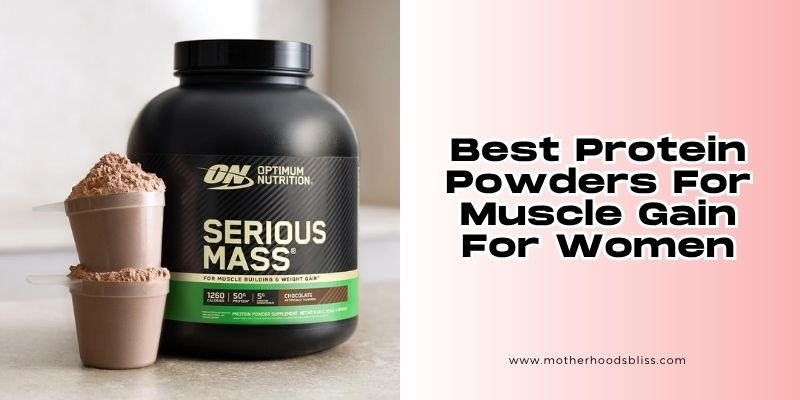
Looking for the best protein powders for muscle gain for women? You’re choosing between fast-absorbing whey, slow-digesting blends, and plant-based options. What separates them is the protein source, added ingredients like creatine or vitamins, and how they mix into your daily routine.
Read on to see which formula fits your training. We’ll break down what each tub actually gives you so you can pick the right one today.
Our Top Picks
| # | Product | ||
|---|---|---|---|
| 1 |  | Optimum Nutrition Gold Standard Best Overall | Check Price |
| 2 |  | Pro Nutrition Labs Her Natural Best For Women | Check Price |
| 3 |  | MuscleTech Nitro-Tech Best With Creatine | Check Price |
| 4 | 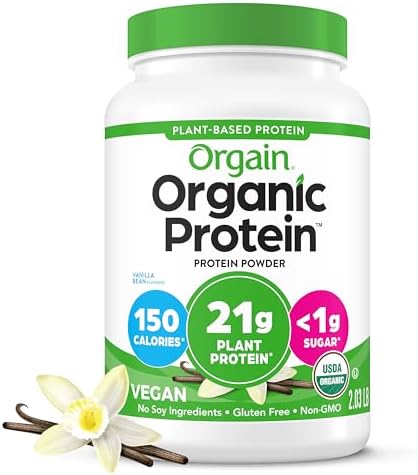 | Orgain Organic Vegan Best Organic Vegan | Check Price |
| 5 |  | Muscle Feast Grass Fed Best Hydrolyzed Whey | Check Price |
| 6 |  | Beverly International UMP Best Whey Casein Blend | Check Price |
| 7 |  | Body Fortress Super Advanced Best Immune Support | Check Price |
| 8 |  | Vega Premium Protein Best With Supergreens | Check Price |
| 9 |  | Muscle Milk Pro Series Best High Protein | Check Price |
| 10 |  | BSN Syntha-6 Best Tasting Formula | Check Price |
1. Optimum Nutrition Gold Standard Whey Protein Powder
Best for: Women wanting a reliable, fast-absorbing daily whey protein.
This powder gives you 24g of whey protein per scoop, with whey protein isolate as the main ingredient. That means most of the carbs and fat are filtered out, leaving about 1g of sugar and 3g of carbs per serving. It’s built for athletes focused on lean muscle or body-composition goals.
It mixes smoothly in water, milk, or smoothies using just a spoon or shaker. The formula also delivers 5.5g of naturally-occurring BCAAs and 11g of EAAs to support post-workout recovery when paired with regular resistance training. Optimum Nutrition has made this for 35 years, so it’s a known quantity. However, if you strictly avoid dairy or need a vegan product, this isn’t for you since all its protein comes from whey.
Pros
- 24g protein per scoop
- Mixes easily without clumps
- Low sugar and low carb
Cons
- Contains dairy ingredients
2. Pro Nutrition Labs Her Natural
Best for: Women wanting a clean, grass-fed whey isolate.
Crafted specifically for active women, this powder provides 20g of protein from grass-fed, rBGH-free whey protein isolate. Each serving holds only 110 calories, 3g of carbs, and 2g of fat, making it a lean option for fitness routines. It aims to support both fat reduction and lean muscle growth simultaneously.
It uses stevia instead of sugar or artificial fillers, giving you a naturally sweetened shake in creamy vanilla or rich chocolate. The formula is designed to be lump-free and easy to mix after workouts. If you prefer higher protein doses per scoop, this won’t meet your needs since it stops at 20g per serving.
Pros
- Grass-fed whey protein isolate
- Naturally sweetened with stevia
- Zero sugar or artificial fillers
Cons
- Only 20g protein per serving
3. MuscleTech Whey Protein Powder
Best for: Women wanting built-in creatine for strength training.
This formula combines 30g of whey protein with 3g of creatine in a single scoop, so you don’t have to buy creatine separately. It also includes 6.6g of BCAAs and features an enzyme complex called Enzyplex, with papain and amylase to aid digestion. The listing notes it earned a 20-year U.S. government patent based on clinical trials.
The micro-filtration process removes unwanted fat and carbs to leave clean protein. It comes in a 4LB tub that yields 40 scoops. Because it includes creatine, it’s not for women who want a simple protein powder without added performance supplements or those sensitive to creatine.
Pros
- Includes 3g creatine per scoop
- 30g protein per serving
- Added digestive enzymes included
Cons
- Creatine isn’t for everyone
4. Orgain Organic Vegan 21g Protein Powder
Best for: Women needing a certified organic, plant-based protein.
This USDA Organic powder delivers 21g of plant-based protein from organic peas, brown rice, and chia seeds. It contains all 9 essential amino acids and provides 6g of prebiotic and fiber per serving to support gut health. The formula keeps sugar down to just 1g per scoop.
It’s free from soy, gluten, dairy, lactose, carrageenan, and artificial sweeteners or colors. Third parties verify its organic and plant-based certifications. You can mix it with water, oat milk, or bake it into overnight oats. It’s not meant for women who specifically want fast-absorbing whey protein for immediate post-workout recovery.
Pros
- USDA certified organic ingredients
- 6g fiber per serving
- Free from soy and dairy
Cons
- listed at 2.03 lb, which anyone with a smaller pantry has to plan around
5. Muscle Feast Grass Fed Hydrolyzed Whey Protein Powder
Best for: Women wanting fast-absorbing hydrolyzed whey protein.
Sourced from pasture-raised, grass-fed cows, this powder uses hydrolyzed whey protein for enhanced absorption. Being hydrolyzed means the protein is broken down to support rapid post-workout satiation and muscle protein synthesis. It’s rBST- and rBGH-free, keto-friendly, and contains no fillers or artificial flavors.
It includes sunflower lecithin to ensure smooth blending without clumps, resulting in a creamy texture. The 5lb tub provides a large supply of chocolate-flavored powder with all essential amino acids. Note that the brand is updating its packaging, so labels may vary.
Pros
- Hydrolyzed for faster absorption
- Grass-fed and hormone-free
- Sunflower lecithin prevents clumping
Cons
- Dairy-based whey concentrate
6. Beverly International UMP Protein Powder
Best for: Women wanting a versatile whey and casein blend.
UMP uses milk protein isolate to naturally reflect the 80:20 ratio of slow-digesting casein and fast-acting whey found in milk. It’s low in carbs and sugar, with almost zero lactose, making it very stomach-friendly according to the listing.
You can use it as a pre- or post-workout supplement, a meal replacement, or even bake with it and make pudding. Beverly International has been making supplements since 1967. Because it relies on casein, it digests slower than pure whey isolate, so it’s not for women who exclusively want the fastest possible liquid absorption immediately after lifting.
Pros
- 80:20 casein to whey ratio
- Almost zero lactose content
- Versatile for baking and shakes
Cons
- Contains dairy and milk
7. Body Fortress Super Advanced Whey Protein Powder
Best for: Women wanting protein with added immune support.
Each serving packs 30g of premium whey protein to support muscle growth and recovery. What sets it apart is the addition of Vitamins C & D and Zinc, formulated to help support a healthy immune system while you train. It comes in a strawberry flavor and is low in sugar.
The powder is gluten-free and contains no aspartame, fitting cleanly into active lifestyles. It mixes effortlessly with water, milk, or smoothies in a convenient 1.78 lb tub.
Pros
- 30g protein per serving
- Added Vitamins C, D, Zinc
- Gluten-free, no aspartame
Cons
- premium whey protein, so anyone following the vegan diet regimen is left out
8. Vega Premium Protein + Supergreens
Best for: Women wanting plant protein with added supergreens.
This dairy-free and gluten-free powder provides 20g of vegan protein per serving alongside spinach, kale, alfalfa, and broccoli. Combining protein and vegetable nutrients in one scoop eliminates the need to buy multiple daily supplements. It contains zero added sugar and avoids the heavy feeling some get from dairy.
It’s crafted entirely from premium plant sources for users with whey sensitivity or strict dietary restrictions. The creamy vanilla flavor mixes smoothly without a chalky aftertaste.
Pros
- Includes spinach, kale, broccoli
- Zero added sugar formula
- 100% dairy and gluten free
Cons
- Only 20g protein per scoop
9. Muscle Milk Pro Series Protein Powder Supplement
Best for: Women needing 50g protein and sport certification.
This powder delivers a massive 50g of high-quality protein per serving, using a blend of slow-releasing and fast-releasing proteins to increase amino acid levels. It also provides an excellent source of 20 vitamins and minerals and keeps sugar to just 3g. Crucially, it’s NSF Certified for Sport, meaning it screens for over 270 substances banned by major athletic organizations.
It dissolves easily in water when you mix 2 scoops into 10-16 fluid ounces. The 2-pound canister yields about 11 servings. A shaker bottle is sold separately.
Pros
- 50g protein per serving
- NSF Certified for Sport
- 20 added vitamins and minerals
Cons
- Only 11 servings per tub
10. BSN SYNTHA-6 Premium Protein Powder
Best for: Women prioritizing taste and a multi-source protein matrix.
BSN built this around flavor, offering a milkshake-like experience in Mint Mint Chocolate Chip. The protein matrix provides 22g of premium protein from six sources: whey concentrate, whey isolate, calcium caseinate, micellar casein, milk protein isolate, and egg albumin. This variety supports anytime use, whether post-workout or as a snack.
Each 47g scoop contains 10g of essential amino acids, 190-200 calories, and just 2-3g of sugar depending on the flavor. It helps meet protein needs for muscle building and maintenance. Because it uses multiple dairy and egg sources, it doesn’t fit vegan diets.
Pros
- Six different protein sources
- 10g essential amino acids
- Milkshake-like flavor profile
Cons
- Contains dairy and egg
Beyond these top picks, a few other options caught our eye. FoxyFit Protein is a whey powder made for women that includes CLA and biotin, targeting a healthy glow alongside fitness. Muscle Milk Protein Powder offers a genuine formula with 32g of protein, 2g of sugar, and NSF Certified for Sport status in a 1.93-pound tub. Optimum Nutrition Gainer Protein Powder is a serious mass weight gainer in a 6lb vanilla tub, built for those needing significantly more calories and carbohydrates to support their training rather than a lean isolate.
How Do I Choose a Protein Powder?
Protein Amount Per Serving
Look at the grams of protein per scoop. Options range from 20g to 50g here. Higher amounts support heavy training but mean larger scoops and fewer total servings per tub. Match the dose to your daily food intake.
Protein Source and Type
Whey isolate digests fast, making it ideal right after lifting. Casein blends digest slowly, keeping amino acids flowing longer. Plant proteins suit dairy-free diets but absorb differently. Pick the source that matches your digestion and dietary limits.
Added Ingredients
Some formulas include creatine for strength, while others add vitamins, zinc, or supergreens. Decide if you want an all-in-one mix or a plain protein. Extra ingredients change what the powder does beyond basic muscle support.
Sugar and Carbohydrate Content
If you’re tracking macros, check the sugar and carb counts. Isolates usually have less than 3g of carbs. Blends or flavored options might have slightly more. Avoid unwanted sugars if your goal is lean muscle.
Certifications and Dietary Needs
Check for labels like NSF Certified for Sport if you compete. Look for USDA Organic, gluten-free, or vegan tags if you have strict dietary rules. These certifications verify specific standards like organic sourcing or banned-substance screening.
Flavor and Mixability
A powder you hate drinking won’t get used. Look for naturally sweetened options if you avoid artificial flavors. Ingredients like sunflower lecithin help prevent clumps. Read the flavor notes to ensure it fits your taste.
Narrow your choice by looking at your training schedule first. If you lift heavy daily, a higher protein dose or added creatine makes sense. If you have dietary restrictions, stick to certified vegan or grass-fed isolates. Always match the formula’s capabilities to your actual daily routine.
Mistakes to Avoid When Buying Protein Powder
Ignoring the Protein Source
Buyers often grab any tub labeled “protein” without checking if it’s whey, casein, or plant-based. This matters because digestion speeds differ. Whey isolate works fast; casein works slow. Choose the source that fits your workout timing.
Overlooking Serving Sizes
Don’t just look at the tub’s total weight. Check the serving size in grams and how many servings the tub holds. A 2lb tub might only offer 11 servings if the required dose is large, meaning you’ll empty it quickly.
Assuming All Flavors Taste Good
Flavor profiles vary wildly between brands. Some use stevia, others use different sweeteners. If you dislike a specific sweetener, check the ingredient list before buying. A bad taste means the powder sits unused in your cabinet.
Forgetting About Dietary Restrictions
Many buyers miss allergens hidden in protein matrices. Formulas can contain dairy, soy, egg, or gluten. Always read the full allergen warning if you have sensitivities, rather than assuming a fitness product is automatically safe for your diet.
Chasing Unnecessary Additives
Some powders pack in greens, vitamins, or fats you might not need. If you already take a multivitamin, doubling up isn’t helpful. Stick to core ingredients that directly support your muscle-building goals to keep your routine simple.
Keep these points in mind before you click buy. Focus on the protein type, the actual number of servings you get, and your own dietary boundaries. Understanding what you need prevents wasted money on the wrong formula.
Frequently Asked Questions
How much protein do women need for muscle gain?
Listings here range from 20g to 50g of protein per serving to support muscle recovery. Your total daily intake depends on your body weight and training intensity. Supplements help fill the gap left by whole foods.
Is whey or plant protein better for building muscle?
Whey protein is generally absorbed faster and contains a complete amino acid profile naturally. Plant proteins work well too, especially when blended from sources like peas and rice. Choose whey unless you have dairy sensitivities or follow a vegan diet.
Should I take protein powder before or after my workout?
After a workout is the most common time, as fast-absorbing proteins help start recovery. However, blends with casein can be taken anytime to provide a steady release of amino acids. Consistency matters more than exact timing.
Can protein powder cause bloating in women?
Look for powders with minimal fillers.
Do I need a protein powder with added creatine?
You don’t strictly need it, but creatine is proven to support strength and muscle building. If you already take a separate creatine supplement, a plain protein powder avoids doubling your dose. It’s purely about convenience.
What does NSF Certified for Sport mean?
It means the product is tested for over 270 substances banned by major athletic organizations. This certification ensures the powder doesn’t contain hidden contaminants. It’s essential if you compete in tested sports.
Conclusion
The right protein powder simply fills the gap between your meals and your training demands. Focus on the protein source, the amount per scoop, and any added ingredients that match your specific goals. Pick the formula that fits your daily routine and dietary needs, and you’ll have exactly what you need to support your muscle gain.