
Top 10 Best Hair Growth Oils For Women In 2026
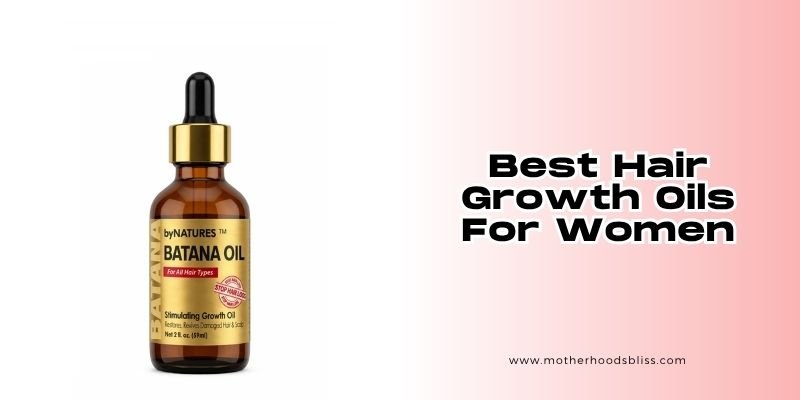
Looking for the best hair growth oils for women that actually support your routine? It’s hard to tell which bottle delivers real nourishment and which one just smells nice. The right choice depends on your scalp type, texture, and whether you need moisture or stimulation.
These ten options have clear ingredient lists and specific uses so you can compare them fairly. This breakdown focuses on what each oil does, who it suits, and where it falls short based solely on listed features. You’ll find the facts needed to pick confidently.
Our Top Picks
| # | Product | ||
|---|---|---|---|
| 1 |  | Mielle Rosemary Mint Oil Best Overall | Check Price |
| 2 |  | Wild Growth Hair Oil Most Proven Formula | Check Price |
| 3 |  | Botanic Hearth Rosemary Oil Best Rosemary Blend | Check Price |
| 4 |  | The Mane Attraction Herbal Oil Strongest Herbal Blend | Check Price |
| 5 |  | Forest & Shore Thrive Oil Best Caffeine Formula | Check Price |
| 6 | 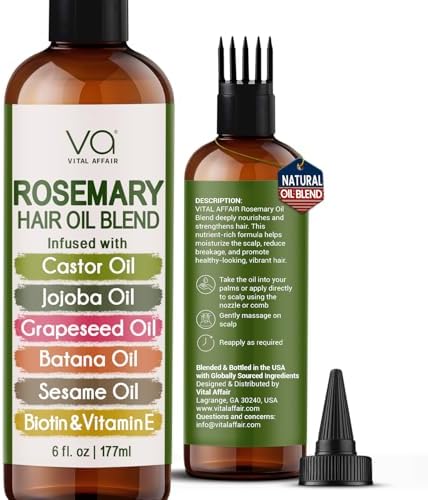 | Vital Affair Rosemary Oil Best Multi-Oil Blend | Check Price |
| 7 |  | Qytin Batana Oil Best Pure Batana | Check Price |
| 8 |  | Hair Chemist Biotin Oil Best Lightweight Biotin | Check Price |
| 9 |  | Carol's Daughter Goddess Strength Best for Curly Hair | Check Price |
| 10 |  | Sky Organics Strong Roots Best Organic Ingredients | Check Price |
1. Mielle Organics Rosemary Mint Hair Oil with Biotin
Best for: Daily scalp care and versatile use
This award-winning formula blends biotin with rosemary and mint to invigorate the scalp while fortifying strands from root to tip. It’s designed as a multifunctional treatment, working as a pre-wash oil, leave-in scalp serum, or split-end sealant depending on your needs. The inclusion of castor, jojoba, and tea tree oils adds moisture without requiring multiple products. Stylists recommend massaging it in and leaving it under a cap for ten minutes for deeper nourishment.
Pros
- Supports dry scalp and flaking concerns
- Works as pre-wash or leave-in treatment
- Contains biotin and multiple nourishing oils
Cons
- Complex blend isn’t for purists
- Requires ten-minute cap time for deep treatment
2. Wild Growth Hair Oil 4 Oz
Best for: Length retention and protective styles
It excels at sealing moisture into thick or textured hair during protective styling. Its purpose is maintenance and conditioning, not rapid follicle stimulation.
Pros
- Ideal for braids, locs, and protective styles
- Minimizes breakage through deep moisture
- Concentrated formula lasts longer per bottle
Cons
- Listed at 4 Oz, which anyone needing a larger supply has to plan around.
3. Botanic Hearth Rosemary Oil
Best for: Dandruff-prone scalps and ethical sourcing
Infused with organic rosemary, biotin, jojoba, and castor oils, this blend targets dandruff by soothing inflammation and dryness that contribute to flaking. It’s promoted as an alternative to serums, offering deep hydration that improves texture while supporting thicker-looking hair. The formula is ethically sourced and cruelty-free, free from parabens and sulfates, appealing to clean-beauty buyers. Cold-pressed rosemary is highlighted for strengthening follicles and fighting breakage.
While it addresses scalp health comprehensively, it doesn’t specify concentration levels of active ingredients, so potency remains unclear. Buyers wanting clinical-strength actives or fragrance-free options aren’t served here. Its value is in balanced, conscious formulation for irritated scalps.
Pros
- Soothes dandruff and scalp inflammation
- Ethically sourced and cruelty-free certified
- Combines rosemary with biotin and castor oil
Cons
- Active ingredient concentrations not specified
- Not formulated for fragrance-sensitive users
4. The Mane Attraction Extra-Strength Herbal Hair Growth Oil
Best for: Multi-texture herbal stimulation
Labeled extra-strength, this oil combines castor, rosemary, fenugreek, vitamin E, almond, peppermint, and black seed oils to stimulate growth and calm itchiness across 3A–4C and chemically treated hair. It’s designed for five distinct uses: scalp treatment, pre-poo, hot oil, moisture sealant, or deep conditioner booster. The non-greasy, fast-absorbing base avoids weighing down even high-porosity strands while delivering botanical actives.
It’s potent by design, not gentle by default. Best for users comfortable with strong herbal blends who want one product for multiple steps.
Pros
- Safe for chemically treated and protective styles
- Five application methods increase versatility
- Non-greasy despite rich botanical blend
Cons
- Contains nut-derived almond oil
5. Forest & Shore Hair Growth Oil
Best for: Damaged hair needing caffeine boost
This 100% natural formula includes caffeine alongside castor, rosemary, baobab, argan, avocado, olive, and coconut oils to stimulate blood flow and repair damage. Caffeine is noted for energizing follicles, while rosemary acts as a DHT blocker to reduce loss. It’s intended as an overnight mask for deeper penetration, targeting both scalp health and strand integrity. Fatty acids and antioxidants aim to restore moisture-protein balance.
It’s built for restoration, not daily maintenance. Choose this if your priority is repairing existing damage with stimulant support.
Pros
- Caffeine stimulates follicle blood flow
- Rosemary included as DHT blocker
- Designed for overnight deep treatment
Cons
- Requires overnight application for full effect
6. Vital Affair Rosemary Oil
Best for: Breakage prevention with batana oil
Enriched with biotin, vitamin E, grapeseed, jojoba, castor, and batana oils, this blend targets breakage and thinning by strengthening strands from root to tip. Grapeseed provides antioxidants while batana adds unique lipid support for resilience. It’s non-greasy and lightweight, suitable as a scalp treatment, leave-in, or daily oil across all hair types. The formula also addresses dandruff and irritation through rosemary and jojoba.
7. Qytin Batana Oil
Best for: Pure batana ancestral tradition
Sourced via Miskito ancestral cold-extraction from Honduran rainforest, this is 100% organic batana oil paste recommended by Dr. Sebi for reviving thinning areas. It mimics the scalp’s natural lipid barrier to lock in moisture and repair dryness, frizz, and split ends. The light coffee aroma signals minimal processing, and it’s rinsed off after application rather than left in. Suitable for all hair types, it resists static and clumping.
As a single-ingredient paste, it lacks added stimulants like rosemary or caffeine found in other oils. Users expecting a liquid serum or leave-in will need to adjust their routine. This is for those committed to traditional, unblended batana.
Pros
- 100% organic cold-pressed batana paste
- Mimics scalp’s natural lipid barrier
- Traditional Miskito extraction method
Cons
- Single ingredient lacks added stimulants
- Paste format requires rinse-out use
8. Hair Chemist Biotin Pro-Growth Premium Hair Oil 7.1 oz.
Best for: Lightweight biotin supplementation
Described as weightless, this oil infuses biotin to promote healthy growth while improving strength and shine without residue. Biotin is highlighted as essential for hair, skin, and nail health, with deficiency linked to loss. Made in the USA, it’s part of a fortified line focused on water-soluble B-vitamin support. The formula avoids heaviness, making it suitable for fine or oily hair types.
It doesn’t list additional nourishing oils or botanicals, so it’s purely a biotin delivery system. Best as a targeted supplement within a broader regimen, not a standalone treatment.
Pros
- Weightless texture suits fine hair
- Focused biotin supplementation
- Made in USA with clear vitamin role
Cons
- Not a complete scalp or strand treatment
9. Carol’s Daughter Goddess Strength 7 Oil Blend Scalp and Hair
Best for: Curly hair breakage protection
This 7-oil blend (sunflower, olive, jojoba, coconut, black cumin, linseed, castor, soybean) hydrates curls without weigh-down, specifically targeting weak, breakage-prone hair. With a pointed applicator for precise scalp application, it’s designed for damp or dry use post-wash and isn’t rinsed out. Claims include 15x stronger hair and 94% less breakage when used with the full system versus non-conditioning shampoo. Founded by a Black woman in 1993, it centers natural hair balance.
The breakage stats apply only to the full system, not the oil alone, so standalone results may differ. Those outside the curl/coil spectrum aren’t the primary audience. It’s optimized for textured hair maintenance, not universal growth stimulation.
Pros
- Pointed applicator enables precise scalp dosing
- Seven-oil blend tailored for curls and coils
- Leave-in formula with no rinse required
Cons
- Breakage claims require full system use
- Primarily designed for textured hair types
10. Sky Organics Organic Rosemary Strong Roots Oil
Best for: Certified organic minimalism
With only three USDA-certified organic ingredients—rosemary, macadamia, and jojoba—this serum offers potent, simple nourishment for roots and compromised hair. Jojoba ensures lightweight moisture without greasiness, while rosemary soothes and invigorates. Application involves 1–3 drops per section, massaged in and left for one hour before shampooing. As a certified B Corp and Leaping Bunny product, it meets strict social and environmental standards.
The one-hour pre-wash requirement limits convenience for daily use, and the small 2 fl oz size means frequent repurchasing. It’s for purists valuing certification over complexity. Choose this if traceability and simplicity outweigh multi-step benefits.
Pros
- Only three certified organic ingredients
- USDA Organic and B Corp certified
- Lightweight jojoba base prevents greasiness
Cons
- Requires one-hour pre-wash application
- Small bottle size depletes quickly
How to Pick Hair Growth Oils
Ingredient Transparency
Check whether the listing specifies active concentrations or just names ingredients. Some oils disclose percentages or extraction methods; others don’t. Without this, you can’t gauge potency. Prioritize products that clearly state what’s inside and how it’s sourced, especially if you have sensitivities or ethical preferences.
Hair Type Compatibility
Match the oil’s texture and weight to your hair’s porosity and density. Heavy oils like batana or wild growth suit coarse, coily hair but overwhelm fine strands. Lightweight formulas like Hair Chemist or Vital Affair work better for low-porosity or oily scalps. Misalignment leads to buildup or ineffective absorption.
Application Routine
Consider how the oil fits your existing schedule. Overnight masks demand commitment; leave-ins offer convenience. Pre-wash treatments require washing afterward, while sealants integrate into styling. Choose based on realistic adherence, not idealized routines. Consistency matters more than intensity.
Scalp vs. Strand Focus
Determine whether your primary concern is scalp health or strand integrity. Oils with caffeine, rosemary, or peppermint target follicles and circulation. Those rich in ceramides, lipids, or proteins address breakage and moisture loss. Few do both equally well. Align the product’s stated purpose with your actual need.
Certification and Ethics
If organic, cruelty-free, or sustainable sourcing is your priority, verify certifications on the label. Terms like “natural” aren’t regulated; USDA Organic or Leaping Bunny are. Some brands highlight ethical practices without third-party validation. Decide how much weight these factors carry versus functional performance.
Narrow your choice by identifying your top two priorities—whether that’s scalp stimulation, breakage prevention, ease of use, or ethical alignment. Cross-reference these against the product details above. Your best match serves your specific needs, not general claims.
Mistakes When Buying Hair Growth Oils
Ignoring Hair Texture Match
Many buyers select oils based on trending ingredients rather than hair density and porosity. Always check if the product specifies suitability for your texture. When in doubt, start with lighter formulations.
Expecting Standalone Results
Some oils show results only when used in a full system, as noted with Carol’s Daughter. Assuming the oil alone delivers claimed benefits leads to disappointment. Read usage instructions carefully to understand dependencies. Supplement, don’t replace, your core routine.
Overlooking Application Requirements
Products requiring hour-long pre-washes or overnight masks demand time commitment. Choosing one that conflicts with your schedule ensures inconsistent use. Be honest about your availability. Convenience supports consistency, which drives outcomes more than potency alone.
Confusing Natural with Gentle
“Natural” or “herbal” doesn’t mean non-irritating. Potent botanicals like fenugreek or peppermint can trigger reactions in sensitive scalps. Check ingredient lists for known allergens regardless of marketing language. Patch testing is essential, especially with extra-strength or concentrated formulas.
Neglecting Certification Verification
Terms like “organic” or “cruelty-free” are often used loosely. Without third-party seals like USDA Organic or Leaping Bunny, claims may be unsubstantiated. If ethics or purity are dealbreakers, insist on verifiable certification. Don’t assume transparency equals validation.
Before purchasing, confirm the oil aligns with your hair type, routine capacity, and verification standards. Avoid choices driven by hype or incomplete understanding of requirements. Your investment pays off only when the product fits your reality, not just your hopes.
Frequently Asked Questions
Can I use hair growth oil daily?
It depends on the formula and your hair type. Lightweight oils like Hair Chemist or Vital Affair are designed for daily leave-in use, while heavier treatments like Forest & Shore Thrive are meant for weekly overnight sessions. Always follow the product’s specific usage guidelines to avoid buildup or irritation.
Do these oils work for all hair types?
Most listings claim suitability for all textures, but performance varies. Oils like Wild Growth and Carol’s Daughter are optimized for coarse or curly hair, while Hair Chemist targets fine strands. Check individual descriptions for texture-specific guidance rather than assuming universal compatibility.
How long until I see results?
Listings rarely specify timelines, as results depend on consistency, hair cycle, and individual biology. Products focus on supporting conditions for growth—moisture, scalp health, reduced breakage—not guaranteed speed. Patience and adherence to the recommended routine are necessary.
Are these oils safe for color-treated hair?
Several products, including The Mane Attraction and Mielle, explicitly mention safety for chemically treated hair. However, always patch test first, as some botanicals may interact with dye. When uncertain, consult your stylist or choose formulas labeled for processed hair.
Can I mix different hair oils together?
Combining oils isn’t addressed in most listings, so effects are unpredictable. Layering may dilute actives or cause adverse reactions. Stick to one product at a time unless the brand recommends pairing, like Wild Growth with its Light Oil Moisturizer.
Is batana oil better than rosemary oil?
They serve different purposes: batana provides lipid-rich moisture and barrier support, while rosemary stimulates circulation and may block DHT. Neither is universally superior. Choose based on whether your priority is hydration (batana) or follicle activation (rosemary), or select a blend containing both.
Conclusion
Your best choice hinges on matching the oil’s formulation to your specific hair needs and lifestyle. Review the ingredient profiles, application demands, and compatibility notes above to identify which option aligns with your goals. Trust the listed facts over assumptions to make a confident decision.