
Top 10 Best Trail Running Shoes For Women Of 2026
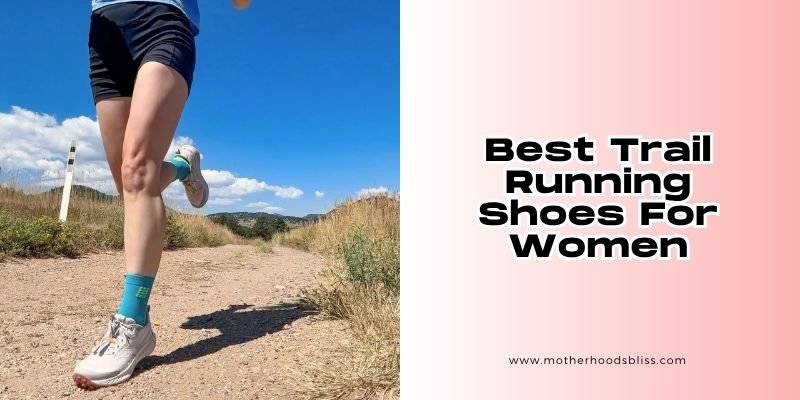
Looking for the best Trail Running Shoes For Women? You’re choosing between soft cushioning, strong grip, and toe protection. Some shoes use thick foam for long runs. Others use wide toe boxes so your feet can spread out naturally.
The right pick depends on where you run. Rocky paths need hard rubber lugs. Smooth dirt trails work fine with lighter treads. Read what each shoe gives you, then match it to your next trail.
Our Top Picks
| # | Product | ||
|---|---|---|---|
| 1 |  | New Balance Hierro V9 Best Overall | Check Price |
| 2 |  | Brooks Cascadia 19 Most Versatile | Check Price |
| 3 |  | ALTRA Lone Peak 8 Best Wide Toe Box | Check Price |
| 4 |  | Brooks Caldera 8 Best Ultra Distance | Check Price |
| 5 |  | Brooks Ghost Trail Best Road-to-Trail | Check Price |
| 6 |  | ALTRA Lone Peak 9 Most Cushioned | Check Price |
| 7 |  | Saucony Excursion TR16 Simplest Design | Check Price |
| 8 |  | New Balance Nitrel V6 Lightest Feel | Check Price |
| 9 |  | ALTRA Experience Wild 2 Best Lightweight Trail | Check Price |
| 10 |  | ASICS Gel-Venture 11 Best Entry-Level | Check Price |
1. New Balance Women’s Fresh Foam X Hierro V9 Trail Running
Best for: Runners needing strong grip and plush comfort.
The dual-density Fresh Foam X midsole uses a softer top layer for comfort and a firmer bottom layer for stability on uneven ground. That means your foot won’t roll as easily when you step on loose rocks or roots. The Vibram Megagrip outsole has a revamped tread pattern that grips well in both wet and dry conditions.
A reinforced toe cap protects your feet from trail debris like sharp stones and branches. The engineered knit upper breathes well while the gusseted tongue keeps dirt out of your shoe.
2. Brooks Women’s Cascadia 19 Mountain Trail Running Shoe
Best for: Trail runners tackling varied mountain terrain daily.
This shoe uses nitrogen-infused DNA LOFT v3 in the heel and forefoot for a soft but responsive ride. A TrailTack Green rubber outsole, made from 25% recycled content, grips uneven wet and dry surfaces. The Ballistic Rock Shield flexes with the ground instead of feeling stiff under your arch.
The breathable air mesh upper dries quickly after crossing streams, while 3D print overlays block sharp debris. A reinforced toe cap and mudguard add durability where the trail hits hardest.
Pros
- Nitrogen-infused foam offers soft landings.
- Recycled rubber outsole grips varied terrain.
- The breathable air mesh upper is quick-drying.
Cons
- Listed for women, so any male trail runner is left out.
3. ALTRA Women’s Lone Peak 8 Trail Running Shoe
Best for: Runners wanting natural toe splay and protection.
The FootShape fit gives you the roomiest toe box here, letting your toes spread out naturally during long efforts. The FootShape fit provides room through the midfoot as well. A StoneGuard sits underfoot to block sharp rocks while keeping a flexible, stable feel on rough ground.
The GaiterTrap uses a hook-and-loop tab to attach gaiters without fasteners, bungees, or bindings. This keeps trail debris out without adding extra bungees or bindings.
Pros
- The FootShape fit gives you the roomiest toe box here, letting your toes spread out naturally.
- StoneGuard blocks sharp rocks underfoot.
- Strapless gaiter attachment is fast and easy.
Cons
- GaiterTrap allows strapless gaiter attachment without fasteners, bungees, or bindings, ruling out traditional buckle systems.
4. Brooks Women’s Caldera 8 Ultra Trail Running Shoe
Best for: Ultra-distance runners needing maximum protective cushioning.
Built for going far, this shoe stacks nitrogen-infused DNA LOFT v3 high to act like a bike tire over rugged terrain. That thick foam absorbs the shock of rocks and roots so your legs stay fresher on long miles. Raised sidewalls wrap around your foot to offer security and stabilization when you get tired.
The upper uses durable materials that resist scratching and snagging on branches. An air mesh layer with breathable TPEE manages moisture to keep your feet from overheating.
Pros
- High-stacked foam absorbs rocky trail shock.
- Raised sidewalls stabilize tired feet late.
- Durable upper resists branch snags easily.
Cons
- Listed in 9 Medium, so anyone needing a wide fit has to plan around it.
5. Brooks Women’s Ghost Trail
Best for: Road runners transitioning to dry, rocky trails.
If you already run roads, this shoe brings the trusted Ghost series geometry to off-road paths. The TrailTack Green rubber outsole uses 3mm lugs to grip dry, rocky, and technical terrain without feeling clumsy on pavement. Nitrogen-infused DNA LOFT v3 cushions your joints during long hikes or runs on uneven surfaces.
An air mesh upper keeps your feet cool, while 3D-printed overlays protect the toe cap and mudguard without adding bulk. The lacing locks in your heel to stop slippage on downhills.
Pros
- Familiar road-shoe geometry eases trail transition.
- 3mm lugs grip rocks without catching pavement.
- Heel-locking lacing prevents downhill slippage.
Cons
- Listed with 3mm lugs, so deep mud requiring longer lugs is left out.
6. ALTRA Women’s Lone Peak 9 Trail Running Shoe
Best for: High-intensity runners wanting secure cushioning.
This version focuses on holding your foot tight with a wrap-around fit that keeps you stable once laced up. The highly cushioned Altra EGO midsole supports your joints during high-intensity trail days where speed matters.
Underneath, a DuraTread outsole uses a multi-directional TrailClaw lug pattern to grip the ground from every angle. You can focus on the trail ahead instead of worrying about sliding backward. It isn’t for runners who prefer a traditional, narrow-fitting shoe with a high heel drop.
Pros
- Wrap-around fit secures the foot tightly.
- EGO midsole cushions high-intensity efforts well.
- Multi-directional lugs grip on steep inclines.
Cons
- Listed for women, so any male trail runner is left out.
7. Saucony Women’s Excursion Tr16 Sneaker
Best for: Casual hikers wanting simple, reliable traction.
This shoe keeps things straightforward with VERSARUN cushioning that provides balanced comfort for all-day wear. You don’t have to adjust to complex foam systems; it just works for walking and light running. Carbon-rubber lugs grip the ground firmly, giving you confidence across different types of outdoor terrain.
The design includes fresh details that offer basic trail protection while looking good enough for casual wear beyond the woods. It covers the essentials without adding complicated features you might never use. It’s not built for competitive trail runners who need lightweight, race-ready performance on technical courses.
Pros
- VERSARUN foam delivers simple, balanced comfort.
- Carbon-rubber lugs grip varied terrain reliably.
- Clean look works for trails and town.
Cons
- Listed as a women’s sneaker, so any male runner is left out.
8. New Balance Women’s DynaSoft Nitrel V6 Trail Running Shoe
Best for: Mixed-surface runners wanting a light, responsive feel.
The DynaSoft midsole combines ultra-responsive performance with plush comfort, making your steps feel quick rather than heavy. An AT Tread outsole is built for versatile traction, handling both paved roads and dirt paths without wearing down too fast. That dual-purpose tread saves you from changing shoes at the trailhead.
It features no-sew overlays for a smoother interior that reduces rubbing against your skin. An EVA foam insert adds another layer of comfort, and the shoe has an approximate 6 mm drop. It doesn’t suit runners tackling extreme alpine terrain where aggressive, deep-lugged outsoles are required.
Pros
- DynaSoft foam feels quick and plush.
- AT Tread handles roads and dirt trails.
- No-sew overlays reduce interior skin rubbing.
Cons
- Tread lacks depth for muddy trails.
- Minimal toe protection against sharp rocks.
9. ALTRA Women’s Experience Wild 2 Trail Running Shoe
Best for: Lightweight trail runners wanting natural movement.
A compression-molded EVA foam midsole keeps this shoe lightweight and responsive, encouraging an efficient stride. The lighter build reduces the effort needed to lift your feet, which matters on longer outings. The MaxTrac outsole provides a mix of grip, traction, and durability across various types of terrain.
Like other models from this brand, it uses the FootShape fit to give your toes plenty of room to move freely. The midfoot stays secure so your foot doesn’t slide around inside the shoe. It’s not for runners who carry heavy packs or need maximum cushioning for ultra-marathon distances.
Pros
- Compression-molded foam keeps weight down.
- MaxTrac outsole balances grip and durability.
- FootShape fit allows natural toe movement.
Cons
- Light build offers less rock protection.
- Minimal cushioning for ultra-long distances.
10. ASICS Women’s Gel-Venture 11 Running Shoes
Best for: Beginners needing reliable shock absorption.
This shoe uses Rearfoot GEL technology to absorb shock when your heel strikes the ground. That makes hard, rocky trails feel much softer on your joints. AMPLIFOAM PLUS cushioning in the midsole provides a softer ride than standard foam, helping new trail runners stay comfortable.
The OrthoLite Hybrid Max Lite sockliner manages moisture and adds breathability to keep your feet dry. A molded rubber outsole handles basic trail grip, and the sockliner’s dyeing process reduces water usage by approximately 33%. Note that this model runs large, so it’s not for buyers who ignore sizing notes.
Pros
- Rearfoot GEL absorbs harsh heel strikes.
- AMPLIFOAM PLUS feels softer than standard foam.
- OrthoLite sockliner manages sweat and moisture.
Cons
- Runs large, requiring careful size selection.
- Molded outsole lacks aggressive trail lugs.
Also Worth Considering
The NORTIV 8 Trail Running Shoes offer a breathable build for women who want a simple black trail shoe. They don’t list specific midsole foams or rock plates, so they’re best for light, dry paths rather than technical terrain.
The New Balance Trail Running Shoe (410 V8) is a classic entry point for off-road walking. Without detailed specs on cushioning or outsole rubber in the listing, it serves basic needs but leaves advanced trail features unknown.
The Merrell Speed Strike Hiking Shoe bridges the gap between hiking and trail running. Built for wider feet, it focuses on outdoor durability, though it may feel heavier than dedicated running shoes during fast efforts.
How to Choose Trail Running Shoes
Picking the right pair comes down to matching the shoe’s listed features to your specific trails. Don’t buy a shoe built for mountains if you only run flat dirt paths. Here is what actually matters when you compare your options.
Outsole Grip and Lug Depth
The outsole rubber determines if you stay upright on wet rocks. Deep lugs dig into mud, while shallow 3mm lugs work better for mixed road-to-trail running. Match the tread pattern to the ground you actually run on most.
Midsole Cushioning Type
Nitrogen-infused foams offer soft landings for long distances. Firmer, compression-molded EVA keeps you closer to the ground for better balance. Highly cushioned shoes protect tired joints, but they reduce how much trail feedback you feel underfoot.
Toe Protection and Rock Plates
A reinforced toe cap stops sharp rocks from bruising your toes. Underfoot plates, like a StoneGuard, block roots and stones from poking through the sole. If your local trails are full of debris, these features prevent painful injuries.
Upper Materials and Debris Blocking
Air mesh uppers breathe well and dry fast after water crossings. Look for a gusseted tongue or strapless gaiter attachments to keep dirt out. Knit uppers stretch comfortably but might snag on thorny bushes more easily than printed overlays.
Fit and Toe Box Shape
A roomy toe box lets your toes splay naturally, reducing blisters on long runs. Traditional fits lock the heel tighter for fast, technical descents. Always check if a shoe runs large before picking your usual size.
Drop and Stability Features
The drop is the height difference between the heel and toe. A 6 mm drop feels familiar to most road runners, while zero-drop shoes require a slow adjustment period. Raised sidewalls help stabilize your foot when the trail gets rough.
Narrow your choice by thinking about your longest typical run and the roughest trail you face. If you run mostly dry, packed dirt, prioritize lightweight foam and moderate grip. If you tackle wet, rocky mountains, choose aggressive rubber and strong toe protection. Let your actual environment guide the final decision.
Mistakes to Avoid When Buying Trail Shoes
Buying trail shoes is different from buying road shoes. Many runners make the same errors because they treat them like regular sneakers. Avoid these mistakes to find a pair that actually protects your feet outdoors.
Choosing Road Shoes for Trails
Road shoes lack the aggressive rubber lugs needed for dirt and mud. Using them on trails leads to slipping and faster wear on the outsole. Always pick a shoe specifically designed with off-road traction patterns.
Ignoring the Sizing Notes
Some trail shoes, like certain ASICS models, run large. Ordering your normal street shoe size without checking the listing means you’ll get a sloppy fit. A loose shoe causes blisters and lets debris inside easily.
Prioritizing Softness Over Stability
Super soft foam feels great on flat ground, but it can cause ankle rolls on uneven terrain. If you run rocky trails, look for firmer bottom layers or raised sidewalls. Pure softness sacrifices the stability you need outdoors.
Overlooking Toe Protection
Hitting a root in a soft mesh shoe hurts badly. Skipping a reinforced toe cap or rock plate to save weight is a mistake on technical trails. Protect your toes if your path is covered in rocks and debris.
Misunderstanding the Drop
Switching straight to a zero-drop shoe without preparation strains your calves and Achilles tendon. If you normally wear raised heels, transition slowly or stick to a standard drop. Your body needs time to adapt to the change.
Forgetting About Debris Entry
Open tongues let sand, pine needles, and pebbles fall right into your shoe. Ignoring gusseted tongues or gaiter attachments means you’ll stop constantly to empty your shoes. Keep debris out to maintain your pace and comfort.
Keep these points in mind before you click the buy button. Check the outsole rubber, verify the sizing, and ensure the protection matches your trail. A shoe that fits your specific environment will always serve you better than one chosen blindly.
Frequently Asked Questions
What makes a trail running shoe different from a road shoe?
Trail shoes use stickier rubber and deeper lugs to grip dirt, mud, and rocks. They also include protective features like reinforced toe caps and rock plates. Road shoes focus on smooth pavement and usually lack this heavy-duty protection.
Do I need a rock plate in my trail shoes?
You need one if you run on trails covered in sharp rocks, roots, or loose stones. A rock plate stops sharp objects from poking the bottom of your foot. If you only run on smooth, packed dirt, you might not need it.
Should I size up for trail running shoes?
Your feet swell during long runs, so some runners go up half a size. However, always check the listing first, as some brands already run large. A snug heel and roomy toe box matter more than just picking a bigger number.
What is a zero-drop trail shoe?
It means the heel and the toe sit at the exact same height from the ground. This encourages a natural, midfoot strike while running. If you’re used to raised heels, transition slowly to avoid straining your calf muscles.
How do I keep rocks out of my trail shoes?
Look for shoes with a gusseted tongue, which connects the tongue to the sides of the shoe. You can also use gaiters, and some shoes have built-in hook-and-loop tabs to attach them easily. Both methods block trail debris effectively.
Conclusion
Match the shoe’s grip, cushioning, and protection to the specific trails you run most often. A shoe with a rock plate and sticky rubber handles mountains, while a lighter, low-lug shoe is better for smooth dirt paths. Focus on the features that solve your biggest outdoor challenges.