
Our 4 Best Hoka Shoes For Women Of 2026, Tested by Experts
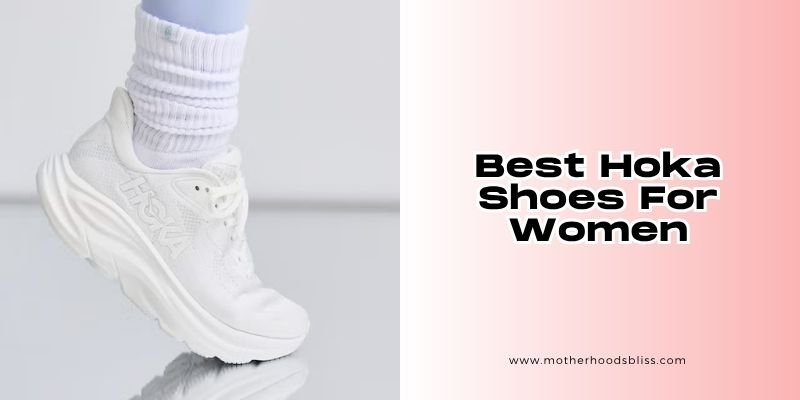
Looking for the Best Hoka Shoes For Women? You’re choosing between a few different builds. What separates them is the upper material, the midsole foam, and how the outsole grips the ground. Some focus on maximum cushioning, while others keep things light for daily wear.
Read on to see what each pair brings to your feet. We’ll look at the materials and features so you can pick the right one.
Our Top Picks
| # | Product | ||
|---|---|---|---|
| 1 |  | Hoka Bondi 9 Best Overall | Check Price |
| 2 |  | Hoka Transport Best Versatile | Check Price |
| 3 |  | Hoka Clifton 11 Best Daily Trainer | Check Price |
| 4 |  | Hoka Clifton 10 Most Proven Classic | Check Price |
1. Hoka Women’s Bondi 9 Black/White 7.5 Medium
The Hoka Bondi 9 uses an engineered mesh upper that wraps around your foot without feeling stiff or heavy. The lining inside is made of textile rather than synthetic leather or plastic. This gives your skin a soft surface against every single step you take.
2. Hoka Women’s Transport White/White 8 Medium
Best for: walkers and commuters wanting versatile everyday shoes
The Hoka Transport mixes textile and synthetic materials in its build. This combination gives the shoe a clean shape that holds up well during daily commutes.
Hoka sells this model in specific configurations to match different feet. The listing shows this model in an 8 Medium width. Choosing the right width matters here because a commuter shoe worn all day punishes any sizing mistake.
A shoe built from textile and synthetic panels keeps its structure better than one made entirely of knit mesh. Mesh stretches out around the toes after a few weeks of heavy use. The synthetic overlays on the Transport lock the midfoot in place instead.
The sole uses polyurethane, a material known for lasting a long time under regular walking pressure. Polyurethane is denser than standard running foams, which means the shoe will survive months of pavement walking without flattening out quickly.
People who buy this shoe for gym days often regret it by the second week. That density also means it won’t bounce back as fast when you try to sprint. This isn’t the shoe for someone training for a marathon or doing speed work at the track.
If your day involves standing and walking, the firm polyurethane base supports your arches. If your day involves jumping or lifting heavy weights, you need a completely different sole compound.
Pros
- Textile and synthetic blend looks very clean.
- Polyurethane sole resists daily walking wear.
- Fits well with casual everyday clothing.
Cons
- Dense sole limits fast running bounce.
- Not meant for high-speed athletic training.
3. Hoka Womens Clifton 11 White/White 7.5 Medium
Best for: runners wanting advanced features for daily training miles
The Hoka Clifton 11 packs several specific technologies into one build. It has a Smooth MetaRocker shape that helps roll your foot forward naturally. The upper is made of engineered mesh, keeping the fit snug but breathable.
Underneath, a compression molded EVA foam midsole provides the main cushion for your stride. Down low, an inherently durable abrasion rubber outsole protects the foam from tearing on rough pavement.
A rearfoot-focused active foot frame cradles your heel to stop side-to-side sliding. This matters most when your feet start to fatigue late in a run. Without it, the heel can drift and waste energy with every step.
Inside the shoe, an open cell sockliner sits directly under your foot. Unlike closed foam, open cells compress and rebound more easily. That gives you a softer initial feel before the midsole takes over the heavier work.
The upper also uses a 3D silicone print instead of stitched overlays. Stitching adds bulk that can rub against your skin during longer efforts. Silicone prints reinforce the mesh without adding that extra friction point.
With reflective details for dark streets and a double-lace lock to secure the fit, this shoe does everything a runner needs. The double-lace lock means you thread the laces through two separate sets of eyelets near the ankle.
It isn’t for someone who just wants a simple slip-on shoe for grocery trips. If you need a shoe you can kick off at the door, the lace system will slow you down every time.
Pros
- Smooth MetaRocker rolls the foot forward naturally.
- Durable abrasion rubber protects the sole bottom.
- Double-lace lock keeps the fit very secure.
Cons
- Too technical for casual non-running errands.
- Multiple features add complexity to lacing.
4. Hoka Women’s Clifton 10 Black/White 6.5 Medium
Best for: runners trusting a proven classic daily design
The Hoka Clifton 10 uses a jacquard knit upper. This type of knit creates a pattern directly into the fabric. It stretches exactly where your toes bend during a stride.
It hugs the foot closely without needing thick overlays sewn on top. That lack of extra layers keeps the shoe light. The inside features a textile lining that stays smooth against your socks all day.
A jacquard knit offers targeted stretch, but it might not block wind or rain as well as thicker synthetic layers do. If you run in heavy storms, water will likely pass through the knit weave faster.
This shoe isn’t built for someone who runs exclusively in deep puddles or harsh winter weather. The open nature of the knit trades weather protection for that close, flexible fit.
Runners who mistake a knit upper for an all-weather shield often end up with soaked feet. That cold moisture causes blisters on longer efforts. Save this pair for dry days or covered tracks.
You can find it in options like the Black/White colorway. It comes in standard sizing, such as a women’s 6.5 Medium. The medium width fits most runners without feeling tight across the forefoot.
Pros
- Jacquard knit stretches exactly where needed.
- Textile lining keeps the inside very smooth.
- Classic design trusted by many daily runners.
Cons
- Knit upper lets water through quickly.
- Not ideal for harsh winter storm running.
Also Worth Considering
If the standard width doesn’t fit your feet, the HOKA Hoka (Bondi 9 Vanilla/Birch Wide) offers the same engineered mesh build in a wider size.
The Bondi 8 Cream/Vanilla Wide does the same for the previous generation. Both use a textile lining and polyurethane components.
That material difference matters if you’re choosing between the two. The older model relies on a textile and synthetic upper instead of engineered mesh.
You might pick the Bondi 8 if you want that specific mix of materials. You might pick the Bondi 9 if you prefer the breathability of mesh.
Both come in a wide fit for those who need more room across their toes. They share the same sizing approach as the standard medium-width options.
Either shoe gives you the extra space without forcing you into a different silhouette entirely.
How to Choose the Best Hoka Shoes For Women
Upper Material
The upper touches your skin directly. Engineered mesh breathes well and flexes easily. Jacquard knit stretches only where your foot bends. Textile and synthetic blends hold their shape better for casual wear. Pick the material that matches your climate and activity level.
Midsole Foam
Foam decides how soft your landing feels. Compression molded EVA foam absorbs impact during runs. Polyurethane lasts longer under slow, heavy steps but feels firmer. Match the foam to your pace. Fast runners usually want EVA, while daily walkers benefit from polyurethane.
Outsole Grip
The outsole hits the ground first. An abrasion rubber outsole stops the foam underneath from scraping away on concrete. Without it, bare foam wears down much faster. If you run outdoors often, rubber coverage matters. Indoor treadmill users don’t need as much heavy rubber.
Fit and Lockdown
A loose shoe causes blisters. Features like a double-lace lock pull the midfoot tight. An active foot frame cups the heel to prevent sliding. If your foot moves inside the shoe, you lose energy. Look for lockdown features if you have narrow heels.
Intended Use
Don’t buy a commuter shoe for marathon training. The Hoka Transport uses materials suited for walking and standing. The Hoka Clifton 11 carries tech built for running mechanics. Know what you’ll do most often. Your primary activity should guide every other choice you make.
Narrow your choice by looking at your weekly routine. If you walk mostly, prioritize durable soles and casual materials. If you run daily, focus on the midsole foam and heel lockdown. Always match the shoe’s listed strengths to your actual habits.
Common Mistakes to Avoid When Buying the Best Hoka Shoes For Women
Ignoring Width Needs
Many buyers grab the standard medium width without thinking. If your toes feel squeezed, the engineered mesh won’t save you. Wider versions exist for a reason. Check if your current shoes leave red marks on your sides. If they do, look for wide sizes instead.
Choosing Style Over Function
A shoe might look great with jeans but fail on the track. The Transport uses polyurethane for walking durability, not running speed. Don’t buy a lifestyle shoe for intense workouts. Read the material list carefully. Make sure the build matches the sweat you plan to produce.
Overlooking Outsole Materials
Some buyers only care about the soft foam inside. But foam tears quickly on asphalt without protection. An abrasion rubber outsole prevents this early damage. If you run outside on rough roads, check the bottom. Bare foam outsoles belong on treadmills, not sidewalks.
Misunderstanding Mesh Types
Not all mesh acts the same way. Engineered mesh targets airflow and flexibility together. Jacquard knit focuses on directional stretch. Assuming they feel identical leads to disappointment. Read the listing’s exact words. The specific fabric name tells you how the shoe behaves.
Skipping Lockdown Features
A soft shoe means nothing if your heel slips out. Buyers often ignore terms like double-lace lock or active foot frame. These parts keep your foot planted firmly. If you’ve had ankle pain before, these features matter greatly. Don’t trade security for a simpler lace setup.
Keep these mistakes in mind before clicking buy. Measure your feet late in the day when they’re largest. Compare the listed materials to your actual routes. A careful choice now saves you from returning a box next week.
FAQ
Are Hoka shoes good for walking all day?
Yes, especially models using polyurethane or dense foam. These materials handle constant pressure without flattening out too fast. Just make sure the upper material allows enough air to reach your feet.
What does engineered mesh actually do?
It provides targeted breathability and flexibility. Unlike solid leather, it lets heat escape while bending with your toes. It’s a common choice for running shoes because it reduces overall weight.
Do I need a double-lace lock?
You need it if your heel slips during movement. A double-lace lock pulls the shoe tighter around your midfoot. It stops friction that causes painful blisters on long runs.
Is jacquard knit waterproof?
No, knit fabrics generally let water pass through. They’re designed for stretch and airflow, not weather blocking. If you run in heavy rain, your socks will likely get wet.
What is an active foot frame?
It’s a design where the midsole wraps up slightly around the heel. Instead of sitting flat on top of the foam, your foot sits inside it. This adds natural stability without using hard plastic pieces.
How long does an abrasion rubber outsole last?
It depends on your running surfaces. On rough concrete, it protects the softer foam beneath for hundreds of miles. On smooth indoor tracks, it will last even longer since there’s less friction.
Conclusion
The best choice comes down to matching the shoe’s materials to your daily routine. Look at the upper fabric, the sole type, and any special locking features. When those align with how you actually move, you’ll find the right pair for your feet.