
How to Deal with Room Floor Liquid Mess Without Damaging Your Flooring
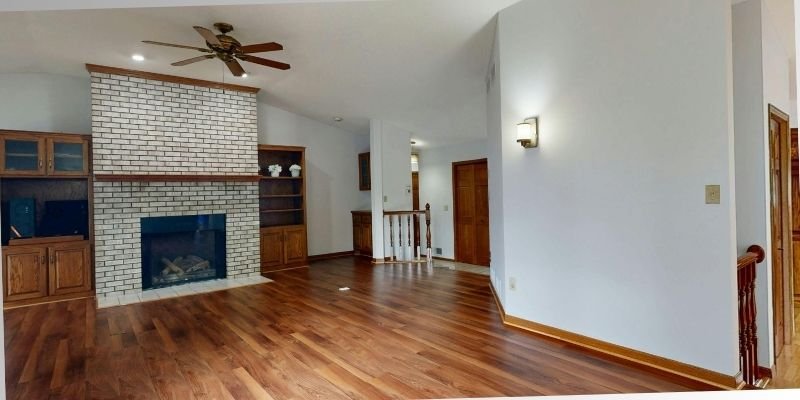
Liquid spills on the floor are a common household problem. Whether it’s water from a leaking bottle, juice from an accidental spill, or cleaning solution left behind after mopping, room floor liquid mess can quickly damage your flooring if it isn’t handled properly. Different flooring materials react differently to moisture, which means using the right cleaning approach is essential to prevent stains, swelling, or long-term deterioration.
One of the most effective ways to keep your floors safe is by using a quality floor cleaner that is designed for different surfaces. Proper cleaning solutions help remove liquid residue, eliminate bacteria, and protect the finish of your floors. Instead of simply wiping the spill and leaving behind moisture, the right products and techniques ensure your flooring remains clean, dry, and damage-free.
Why Room Floor Liquid Mess Can Be Harmful
Leaving liquid on the floor for too long can cause several problems, especially if the spill is not cleaned properly.
1. Surface Damage
Liquids can break down the protective layer of flooring materials. Over time, this may lead to discoloration, dullness, or surface peeling.
2. Warping and Swelling
Wood and laminate floors are particularly sensitive to moisture. When liquid seeps into the material, it can cause swelling, warping, or even permanent structural damage.
3. Mold and Bacteria Growth
Standing liquid creates the perfect environment for mold and bacteria to grow, which can affect both the flooring and indoor air quality.
4. Slippery Surfaces
Uncleaned liquid spills can make floors dangerously slippery, increasing the risk of accidents in your home.
Common Causes of Room Floor Liquid Mess
Understanding where the liquid is coming from can help prevent future problems.
Accidental Spills
Drinks, cooking liquids, and cleaning solutions are among the most common causes of floor spills.
Leaking Appliances
Refrigerators, washing machines, or air conditioners may leak small amounts of water that accumulate on the floor.
Wet Shoes and Rainwater
During rainy days, water from shoes and umbrellas can easily spread across room floors.
Improper Cleaning
Sometimes excessive water used during mopping leaves liquid residue that sits on the floor instead of drying quickly.
Immediate Steps to Handle Liquid on the Floor
When you notice liquid on your room floor, acting quickly can prevent damage.
Step 1: Absorb the Liquid
Use a dry cloth, paper towel, or microfiber mop to absorb as much liquid as possible.
Step 2: Identify the Source
Check whether the liquid is from a spill, leak, or cleaning residue. Fixing the source prevents the problem from repeating.
Step 3: Clean the Area Properly
Once the liquid is removed, clean the area to eliminate stains and residue.
Step 4: Dry the Surface
Allow the area to dry completely. You can also use a fan or open windows to speed up the drying process.
Cleaning Different Types of Flooring Safely
Different flooring materials require specific care methods.
Hardwood Floors
- Avoid soaking the surface with water.
- Use a damp microfiber mop instead of a wet one.
- Dry immediately to prevent swelling.
Tile Floors
- Tile is more resistant to moisture but grout lines can absorb liquid.
- Clean thoroughly to prevent mold buildup.
Laminate Floors
- Never leave standing water on laminate.
- Use minimal moisture when cleaning.
Vinyl Floors
- Vinyl floors are moisture-resistant but still require proper cleaning to avoid residue buildup.
Preventing Room Floor Liquid Problems
Prevention is the best way to protect your flooring from moisture damage.
Use Floor Mats
Place mats near entrances, kitchens, and bathrooms to catch spills and water.
Clean Spills Immediately
The longer liquid sits on the floor, the greater the risk of damage.
Maintain Appliances
Regularly check appliances and plumbing fixtures to avoid hidden leaks.
Use Proper Cleaning Products
Choosing the right floor cleaning solution ensures your floors remain protected while staying hygienic.
Signs That Liquid Has Already Damaged Your Floor
Even small spills can cause long-term damage if ignored. Look out for these signs:
- Bubbling or swelling in wooden floors
- Persistent stains or discoloration
- Musty smells indicating mold growth
- Loose or lifting flooring panels
If you notice these problems, it may be necessary to repair or replace sections of the floor.
FAQs
What should I do immediately after spilling liquid on the floor?
First absorb the liquid using a cloth or paper towel, then clean the area properly and allow it to dry completely.
Can liquid damage all types of flooring?
Yes, although the severity varies. Wood and laminate floors are more vulnerable, while tile and vinyl are generally more resistant.
How can I prevent liquid damage on my floors?
Clean spills quickly, use protective mats, maintain appliances, and use suitable cleaning solutions for your flooring type.
Is leaving water on the floor dangerous?
Yes. Standing water can cause slips, mold growth, and damage to certain flooring materials.
How often should I clean my floors to avoid liquid buildup?
Regular cleaning once or twice a week, along with immediate spill cleanup, is usually sufficient to maintain healthy floors.
Read More – Top 10 Best Cleaners For Kitchen Cabinets In 2026 – Reviews And Guide
Conclusion
Properly handling room floor liquid mess is essential for maintaining the beauty and durability of your flooring. By acting quickly, using the right cleaning techniques, and preventing moisture buildup, you can keep your floors looking clean, safe, and long-lasting.