
The 5 Best Hoka Walking Shoes For Women Of 2026
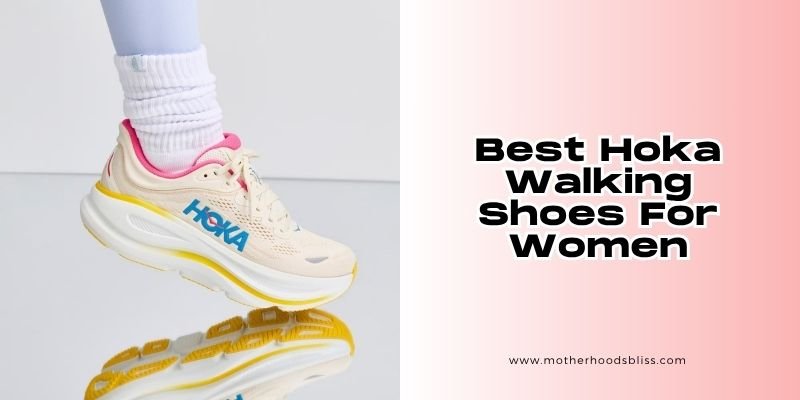
Need reliable walking shoes that won’t hurt your feet? Finding the best Hoka walking shoes for women means choosing between cushion levels, upper materials, and fit options that actually match your daily stride. Each model serves a different purpose, so knowing what separates them helps you pick wisely.
This guide breaks down five current Hoka models by their listed features and intended use. This guide explains what each shoe offers, who it suits best, and where it might fall short, so you can decide with confidence before clicking through to check today’s details.
Our Top Picks
| # | Product | ||
|---|---|---|---|
| 1 |  | Hoka Bondi 9 Best Overall | Check Price |
| 2 |  | Hoka Clifton 11 Smoothest Ride | Check Price |
| 3 |  | Hoka Kawana Mid Best Ankle Support | Check Price |
| 4 |  | Hoka Bondi 8 Best Wide Fit | Check Price |
| 5 |  | Hoka Clifton 10 Best Lightweight Cushion | Check Price |
1. Hoka Women’s Bondi 9 Black/White 7 Medium
Best for: Walkers needing maximum daily cushioning
The Bondi 9 uses an engineered mesh upper that adapts to foot shape during long walks. This material choice means the shoe breathes well. It doesn’t offer the structured lockdown some walkers prefer on uneven terrain.
Hoka pairs this mesh with a textile lining inside the shoe. The two layers work together to reduce hot spots where friction builds up. That makes it suitable for all-day wear on paved surfaces.
You can see this setup in the women’s model, which comes in a Black/White colorway. Hoka builds it in a medium width. That specific fit matters if your feet swell over miles of walking.
This model’s construction focuses entirely on underfoot comfort rather than responsiveness or ankle stability. People who buy it expecting trail performance pay for that mistake later.
It’s not the right pick if you need lateral support for trails. It also fails if you prefer a firmer ride that connects you to the ground. Buyers seeking versatility across mixed surfaces should look elsewhere.
If your route stays flat and paved, this shoe does exactly what it promises. Step off the sidewalk and you lose the benefit of that engineered mesh.
Pros
- Engineered mesh adapts to foot shape
- Textile lining reduces friction hotspots
- Maximum cushion for paved walking
Cons
- Lacks structured lateral support
- Not suited for uneven terrain
2. Hoka Womens Clifton 11 White/White 8.5 Medium
The Smooth MetaRocker in the Clifton 11 creates a rolling sensation that reduces strain during repetitive strides. This geometry helps maintain forward momentum efficiently. However, it can feel unstable if you stand still for long periods or walk very slowly. The rearfoot-focused Active Foot Frame cradles the heel securely during the initial strike phase. An open cell sockliner adds immediate step-in comfort against the foot.
An inherently durable abrasion rubber outsole protects high-wear zones without adding excessive weight. The compression molded EVA foam midsole prioritizes softness over longevity. Heavy daily walkers may notice compression sooner than with denser foams. A double-lace lock system allows precise midfoot adjustment to prevent slippage inside the engineered mesh upper.
Reflective details improve visibility in low light conditions. The 3D silicone print reinforces structure without stiffening the ride. Walkers needing maximum durability should consider the foam trade-off carefully before buying.
Pros
- MetaRocker eases stride transition
- Abrasion rubber protects high-wear zones
- Active Foot Frame stabilizes heel strike
Cons
- EVA foam compresses with heavy use
- Rocker feels unstable when standing
3. Hoka Women’s Kawana Mid Alabaster 7 Medium
The Kawana Mid features a breathable mesh collar extending above the ankle bone for added containment. This height provides gentle guidance on uneven paths but adds warmth some walkers find uncomfortable in hot weather. The textile lining throughout the collar prevents chafing against the ankle during extended wear.
Unlike low-top models, this mid-cut design sacrifices some freedom of movement for security around the joint. Walkers prioritizing lightweight flexibility should stick to lower cuts instead. Those walking exclusively on flat, predictable surfaces won’t benefit from the extra coverage or added material weight.
Choose this mid only if your route includes variable terrain where ankle guidance matters. The breathable mesh construction reduces heat buildup compared to solid leather mids, yet it still retains more warmth than a standard low-top shoe.
Pros
- Mesh collar adds ankle containment
- Textile lining prevents ankle chafing
- Breathable construction reduces heat buildup
Cons
- Extra warmth in hot conditions
- Limits natural ankle mobility
- Unnecessary bulk on paved surfaces
4. Hoka Women’s Bondi 8 Cream/Vanilla 8.5 Wide
Best for: Wide-foot walkers needing plush cushioning
The Bondi 8 comes in a wide width option that accommodates broader forefeet without compromising the signature cushion stack. This fit prevents toe splay restriction but means standard-width buyers will find it too roomy in the midfoot. The polyurethane components in the construction add structure to the wide platform, preventing the shoe from collapsing laterally.
Listed as textile and synthetic, the upper materials balance durability with the volume needed for wide sizing. This combination works well for swelling feet but lacks the adaptive stretch of engineered mesh found in other models. It’s not suitable for narrow-footed walkers or those who prefer a snug, glove-like fit.
Pros
- Wide width prevents toe restriction
- Polyurethane adds lateral structure
- Accommodates foot swelling comfortably
Cons
- Too roomy for standard widths
- Upper lacks adaptive stretch
5. Hoka Women’s Clifton 10 Stucco/Cerise 8.5 Medium
Best for: Lightweight cushion seekers on pavement
The Clifton 10 uses a jacquard knit upper that’s flexible. It offers less protection against debris or accidental scrapes.
A textile lining pairs with the knit to create a seamless interior. That smooth finish minimizes irritation during bare-sock or thin-sock wear. You won’t feel seams rubbing your foot on longer walks.
Designed as a lightweight cushion option, it trades some durability for immediate step-in comfort. That trade-off also means reduced leg fatigue over distance.
This makes it excellent for fitness walking on paved surfaces. It’s less practical for work environments or rough outdoor paths. Walkers needing rugged protection should consider alternatives built for rough terrain.
People often mistake this level of softness for all-purpose use. Wearing a jacquard knit shoe on gravel or job sites wears through the upper fast. Stick to pavement if you want the shoe to last.
If your daily route is smooth concrete, choose this model. If you walk mixed terrain, pick something built with a tougher exterior.
Pros
- Jacquard knit reduces shoe weight
- Seamless textile lining minimizes irritation
- Lightweight build reduces leg fatigue
Cons
- Knit offers minimal debris protection
- Less durable on rough surfaces
How to Choose Hoka Walking Shoes
Cushion Level and Ride Feel
Hoka models vary significantly in cushion density and rocker geometry. The Bondi line maximizes softness for joint relief. The Clifton balances cushion with transitional smoothness through its Smooth MetaRocker. Match the ride feel to your stride pattern and any existing foot sensitivity.
The Clifton 11 achieves this balance using a compression molded EVA foam midsole. It also features a rearfoot-focused active foot frame to guide your heel strike. An open cell sockliner sits directly under your foot. More cushion doesn’t automatically mean a better walking experience.
If you need maximum impact absorption, look at the Bondi 9 or Bondi 8. If you want a guided transition from heel to toe, the Clifton series delivers that specific geometry.
Upper Material and Breathability
Engineered mesh, jacquard knit, and textile linings each serve different needs. Mesh offers structure and airflow. Knit prioritizes lightweight flexibility. Textile linings manage moisture and friction against your skin. Consider your typical walking climate before choosing.
The Clifton 11 uses an engineered mesh upper with 3D silicone print for targeted structure. It also includes reflective details for low-light visibility. The Clifton 10 relies on a jacquard knit upper instead. Both versions use a textile lining inside.
Decide whether you need adaptive stretch versus durable containment when comparing uppers. Knit stretches more easily around bunions or swelling. Engineered mesh holds its shape longer under repetitive stress.
Fit Width and Volume Options
Not every Hoka comes in wide widths. Standard sizing varies by model. The Bondi 8 explicitly offers wide sizing for broader feet. It’s listed in a cream and vanilla colorway. Other models run true to medium width only.
Check the specific listing for width availability before ordering. Read how the upper material accommodates swelling or orthotics. A shoe built only in medium width will compress a wider foot. This causes friction along the outer edge over long distances.
The Clifton 11 adds a double-lace lock system. This feature lets you adjust tension across different zones of your foot independently. It helps secure a medium-width shoe without overtightening the entire upper.
Outsole Durability and Traction
Abrasion rubber placement determines how long the shoe lasts under repetitive walking stress. Some models strategically place inherently durable abrasion rubber in high-wear zones. Others rely more heavily on exposed foam.
If you walk high mileage weekly, prioritize listed outsole features over initial softness. Exposed foam wears down on concrete. Rubber placed exactly where your foot strikes extends the usable life of the shoe significantly.
Ankle Support and Collar Height
Most Hoka walking shoes are low-top designs. The Kawana Mid offers extended collar coverage for those who need it. It features a breathable mesh collar specifically designed to reduce heat buildup. Higher collars add stability on variable terrain.
They also reduce breathability and ankle freedom compared to standard cuts. Only choose mid-height if your walking environment genuinely requires lateral guidance. Otherwise, a low-top provides adequate support with greater versatility.
Narrow your choice by identifying your primary walking surface, weekly mileage, and fit needs. Use the listed features above to match a model to those concrete requirements rather than general brand reputation.
Common Mistakes to Avoid When Buying Hoka Walking Shoes For Women
Assuming All Hokas Feel Identical
Many buyers expect every Hoka to deliver the same maximalist cushion experience. This model uses compression molded EVA foam and a smooth MetaRocker. That geometry rolls your foot forward differently than the Bondi 9’s plush stack.
Always check the specific model’s listed midsole technology rather than relying on brand assumptions. A rocker changes how your stride transitions from heel to toe. If you prefer a flat, planted feel, the wrong geometry will fatigue your calves.
Ignoring Width Availability in Listings
Choosing a shoe without verifying width options leads to poor fit and returns. The Bondi 8 lists wide sizing explicitly in its product title. Other models, like the Clifton 10 or Kawana Mid, specify medium width only.
Confirm the exact width variant before purchasing. This matters most if you have broad feet or use custom orthotics. A medium shoe can’t stretch to accommodate a wide foot without crushing the upper mesh against your toes.
Overlooking Upper Material Differences
Buyers often focus solely on cushion and neglect upper construction. The Clifton 10 features a jacquard knit upper. The Bondi 9 and this iteration both use engineered mesh instead. These materials behave differently over long distances.
A jacquard knit feels and performs differently than engineered mesh. It affects breathability, durability, and debris protection. Read the material specifications carefully to ensure the upper matches your walking environment and sock preferences. Textile linings appear across multiple models but pair with different outer fabrics.
Prioritizing Softness Over Durability Features
Selecting based only on cushion softness ignores outsole longevity indicators. This model specifies an inherently durable abrasion rubber outsole. Models lacking that stated rubber coverage expose more foam directly to the pavement.
Strategic abrasion rubber lasts longer under high mileage than mostly exposed foam. Balance immediate comfort with listed durability features if you walk frequently. Concrete sidewalks grind down unprotected midsoles.
Choosing Mid-Top Without Terrain Need
Opting for the Kawana Mid purely for perceived support wastes its specialized design. Its breathable mesh collar rises higher than standard walking shoes. That extra height adds warmth around the ankle joint.
It also restricts motion unnecessarily on flat pavement. Reserve mid-height models for genuine trail or uneven terrain use. On paved paths, a low-top provides sufficient stability with better ventilation and flexibility.
The Bondi 8 even lists polyurethane alongside textile and synthetic materials. Always cross-reference your actual walking conditions against these specific listed features. Avoiding these common oversights ensures your chosen shoe aligns with real-world use.
Frequently Asked Questions
Do Hoka walking shoes require a break-in period?
Most Hoka models use pre-molded foam and seamless linings that feel comfortable immediately out of the box. However, the MetaRocker geometry in Clifton models may take a few walks to adapt to if you’re new to rocker soles. Listen to your feet during initial wears and adjust distance accordingly.
Can I use Hoka walking shoes for standing all day?
Models like the Bondi 9 are designed for sustained weight-bearing comfort with maximal cushion stacks. The Clifton’s rocker geometry, however, is optimized for motion and may feel less stable during prolonged static standing. Choose based on whether your day involves more walking or stationary time.
Do these shoes accommodate custom orthotics?
Most Hoka walking shoes feature removable sockliners that allow space for custom orthotics. The Bondi and Clifton lines typically offer sufficient depth, but verify internal volume in the listing if your orthotic is particularly thick. Wide-width options like the Bondi 8 provide additional horizontal space for orthotic accommodation.
How do I know which Hoka model suits my arch type?
Hoka listings don’t specify arch support levels, as their Active Foot Frame is designed to adapt to various foot shapes. Focus instead on overall cushion level and fit width when selecting. If you require specific arch correction, plan to use your own orthotics regardless of model choice.
Conclusion
The right Hoka walking shoe depends entirely on matching listed features—cushion type, upper material, width, and outsole durability—to your specific walking habits and foot dimensions. Use this breakdown to identify which model aligns with your actual needs, then verify current details through the product page before deciding.