
What Morganite Symbolizes
Last Updated on September 18, 2026
Few stones invite quiet reflection the way morganite does. Its soft blush color sits somewhere between pink and peach, warm without being loud, and that gentle presence has shaped how people talk about the stone for more than a hundred years. Long before it appeared in modern jewelry cases, morganite was already gathering a vocabulary of meaning built around tenderness, calm, and emotional steadiness. Understanding that vocabulary makes the stone more rewarding to wear, whether you are drawn to it for its history, its color, or simply the mood it seems to carry.
A Stone Long Linked to the Heart and Compassion
Across gemstone traditions, morganite is most often described as a stone of the heart. The association is partly intuitive: its rosy tone naturally evokes warmth, affection, and gentleness, the same qualities we tend to read into anything softly pink. Writers who catalog gemstone meanings frequently connect morganite with compassion, patience, and emotional generosity, framing it as a reminder to lead with kindness rather than force. This is a large part of what morganite symbolizes for many people who keep it close. You do not have to treat those associations as literal power to appreciate them. Read as symbolism, they give the stone a clear emotional character, one centered on care for others and a softer, more forgiving way of moving through the day.
Discovery and Naming: A Modern Origin
Morganite is a member of the beryl family, the same mineral group that includes emerald and aquamarine, and it owes its color to trace amounts of manganese. Compared with many gems, its story is remarkably recent. The pink beryl was formally identified in the early twentieth century and named in honor of the American financier and celebrated gem collector J. P. Morgan, whose extraordinary collection helped shape public interest in fine minerals. That naming is worth sitting with. Because morganite entered the record so recently, its symbolism was assembled in the modern era rather than inherited from ancient myth, which means the meanings attached to it tend to feel accessible and grounded rather than shrouded in legend.
Associations With Calm and Warmth
If compassion is morganite’s emotional center, calm is its everyday register. The stone is routinely described as soothing, and its color does a lot of that work. Soft pinks and peaches read as restful to most eyes, and jewelry lovers often reach for morganite when they want something that feels quiet rather than dramatic. That sense of calm pairs naturally with warmth. Unlike a cool, icy stone, morganite carries a hint of sunlight in its tone, so it tends to flatter the skin and settle comfortably into casual and dressier looks alike. People who gravitate toward the stone often say it suits moods they want to encourage in themselves: unhurried, steady, and a little more at ease. Whether or not you believe a stone can influence a mood, choosing one that reads as calm is a small, pleasant kind of intention.
Reading the Folklore Honestly
Morganite appears often in crystal and folklore writing, where it is credited with encouraging love, easing anxiety, and opening the heart. These claims deserve an honest frame. They belong to tradition and personal belief, not to measured fact, and no gemstone has been shown to change emotions or health. Treating that folklore as poetry rather than prescription is the fairest approach. Read that way, the stories are genuinely charming and they tell you something real about how people have valued the stone: consistently, they reach for language about tenderness and reassurance. A few themes recur across these accounts:
- A symbol of gentle, patient affection rather than fiery passion.
- A reminder to approach yourself and others with compassion.
- An emblem of calm, used as a small anchor during stressful stretches.
- A token of emotional honesty and open communication.
You can enjoy every one of these ideas as meaningful symbolism without overclaiming that the stone does anything on its own.
Why Meaning Matters When Choosing Jewelry
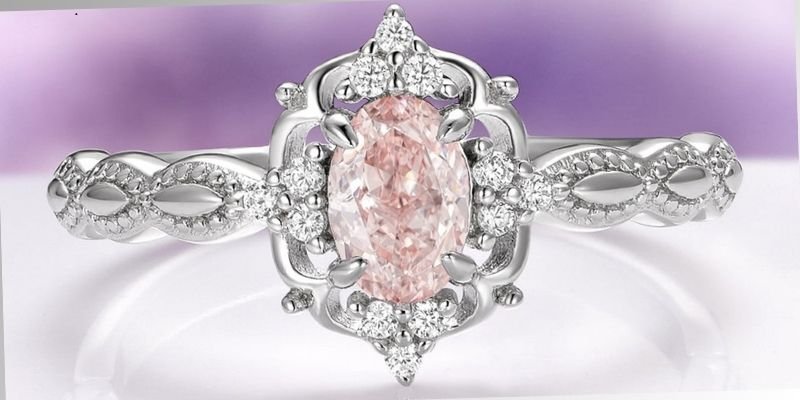
Meaning is not a decoration on top of a piece of jewelry; for many people it is the reason a piece earns a place in daily life. A stone you understand tends to get worn more, and worn longer, because it carries a small story you can return to. When you know that morganite has long been tied to warmth and compassion, a simple pendant or a morganite morganite ring becomes a quiet reminder of the qualities you value rather than just an accessory. That connection also makes for thoughtful gifting. Handing someone a stone associated with gentleness and care communicates something a generic present cannot. None of this requires believing in metaphysical properties. It simply recognizes that symbols shape how we feel about the objects we keep, and that a piece with a clear emotional theme tends to hold its place in a collection.
Wearing Morganite With Intention
Wearing a stone with intention means letting its meaning inform how and when you reach for it, not treating it as a charm. Because morganite reads as calm and warm, many people like it as an everyday piece, something worn on ordinary mornings as a gentle cue toward patience or ease. Its neutral blush pairs easily with a wide range of generic metals, so it slips into most wardrobes without demanding attention. Some choose morganite to mark a personal chapter that centers on kindness or self-compassion, letting the stone stand for an intention they want to keep in view. Others simply love the color and let the symbolism deepen the attachment over time. There is no single correct way. The point of intention is that the piece means something specific to you, so that putting it on becomes a small, repeatable moment of reflection rather than an afterthought.
A Takeaway Worth Keeping
Morganite’s appeal comes from the way its color and its meaning agree with each other. A soft, warm stone has gathered a soft, warm symbolism, one built around compassion, calm, and quiet affection, and assembled recently enough that it feels approachable rather than mythic. Read its folklore honestly, as tradition and poetry rather than fact, and you lose none of the charm. What remains is a stone with a clear emotional character and a genuine history, easy to wear and easy to connect with. Whether you are drawn to the meaning first or the color first, understanding what morganite has come to stand for makes any piece you choose feel a little more considered and a little more your own.