
Vanity Table vs Dressing Table: What Is the Real Difference?
Last Updated on March 13, 2026
Vanity tables and dressing tables both support personal grooming routines, but the two furniture types differ in design purpose, size, and typical features. A vanity table usually prioritises makeup application with mirrors and lighting, while a dressing table traditionally offers larger storage and a broader workspace for grooming and personal organisation.
Although the terms are often used interchangeably, interior designers tend to distinguish between the two based on function, layout, and historical design influences.
Understanding these differences can help when choosing the right furniture piece for a bedroom or dressing area.
What defines a vanity table in modern bedroom design?
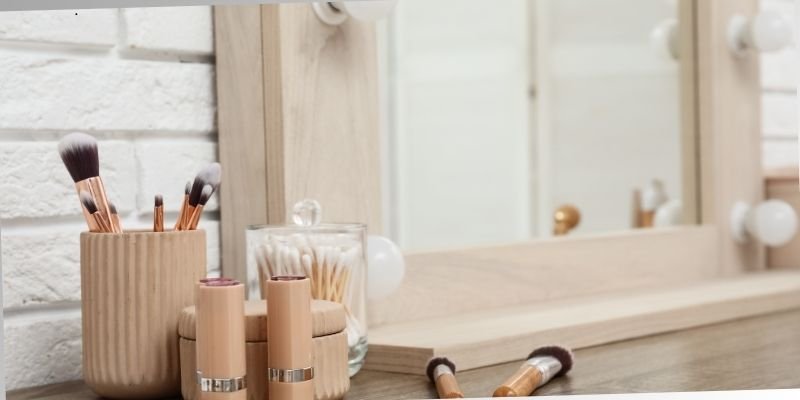
A vanity table refers to a grooming station primarily designed for makeup application and beauty routines, typically featuring integrated mirrors, lighting, and compact storage compartments for cosmetics and beauty tools.
Modern vanity tables often prioritise functionality for makeup use.
Common features include:
Integrated mirrors
Many vanity tables include large mirrors or tri-fold mirror panels to improve visibility while applying makeup.
Lighting
Hollywood-style LED lighting or mirror lights commonly appear on vanity tables because consistent illumination helps improve colour accuracy during cosmetic application.
Compact storage
Vanity tables often include small drawers or compartments designed specifically for makeup brushes, skincare products, and beauty accessories.
This design approach centres on creating a dedicated beauty station rather than a multi-purpose piece of furniture.
What characterises a traditional dressing table?
A dressing table refers to a broader grooming furniture piece designed for general personal care, often including larger drawers, a wider surface area, and a detachable mirror.
Historically, dressing tables appeared in European bedrooms and dressing rooms.
Traditional dressing tables typically include:
Larger drawers
Storage compartments often hold clothing accessories, jewellery, grooming tools, and personal items.
Separate mirrors
Many dressing tables use a standalone mirror or a foldable mirror rather than built-in mirror lighting.
Wider surfaces
Dressing tables commonly measure 100 to 150 centimetres wide, allowing additional space for grooming items, perfumes, or decorative objects.
Furniture historians often associate dressing tables with European bedroom furniture traditions discussed in studies of furniture design history.
How do vanity tables and dressing tables differ in size and layout?
Vanity tables tend to be slightly smaller and more compact, while dressing tables generally provide larger surfaces and deeper storage drawers.
Typical measurements include:
Vanity tables
Height usually ranges between 75 and 80 centimetres, with widths between 80 and 120 centimetres.
Dressing tables
Height often ranges between 73 and 76 centimetres, while widths frequently reach 100 to 150 centimetres.
Depth
Vanity tables usually measure 40 to 45 centimetres deep, whereas dressing tables often measure 45 to 60 centimetres deep.
These differences allow dressing tables to serve multiple purposes beyond makeup routines.
Which furniture option suits different grooming routines?
Vanity tables usually suit individuals who focus on detailed beauty routines involving makeup application, while dressing tables suit users who prefer a versatile surface for general grooming and organisation.
The choice often depends on daily habits.
Vanity tables often work best for:
- Makeup application
- Hair styling routines
- Skincare organisation
Dressing tables often work best for:
- General grooming
- Jewellery storage
- Clothing accessory organisation
Some homeowners also use dressing tables as dual-purpose furniture pieces, combining grooming functions with light writing or planning activities.
Where should vanity tables or dressing tables be positioned in a bedroom?
Vanity tables and dressing tables usually work best when placed near a window because natural daylight improves visibility for grooming tasks and makeup application.
However, direct sunlight can cause mirror glare.
Interior designers often position grooming furniture beside a window rather than directly in front of it, allowing light to fall across the face while reducing reflections.
Bedroom layouts should also maintain around 60 to 75 centimetres of clearance in front of the furniture so seating remains comfortable.
Design inspiration and examples of solid wood dressing furniture can be explored through the wider bedroom collections available at Petalwood Interiors, where classic dressing table designs illustrate how grooming furniture integrates into complete bedroom layouts.
Can other furniture pieces work as vanity or dressing tables?
Several furniture pieces can function as vanity tables or dressing tables when paired with a mirror and seating.
Common alternatives include:
Console tables
Vintage writing desks
Floating shelves with seating
Repurposed sideboards
Slim bedroom desks
These alternatives often work particularly well in smaller bedrooms where dedicated dressing furniture may occupy too much floor space.
Interior designers frequently adapt furniture layouts to maximise usability while maintaining visual balance within the room.
Read More – How to Deal with Room Floor Liquid Mess Without Damaging Your Flooring
Final Thoughts
Vanity tables and dressing tables serve similar purposes but differ in design emphasis.
Vanity tables usually prioritise makeup application, lighting, and cosmetic storage, while dressing tables typically offer larger work surfaces, deeper drawers, and broader grooming functionality.
Choosing between the two often depends on how the furniture will be used daily. A makeup-focused routine may benefit from a vanity table with lighting, while a more versatile grooming setup may suit a traditional dressing table.
Both furniture styles remain popular because they combine practicality with decorative appeal in modern bedrooms.